

02 Sep Generative AI for Industry
Generative Artificial Intelligence is driving a sweeping structural shift across broad industrial sectors, heavy engineering, energy grids, and complex supply chain logistics. While individual manufacturing tools focus on component design, broad industrial Generative AI architectures operate at a macro-systems level, orchestrating entire asset life cycles, synthesizing massive operational telemetry, and optimizing global physical infrastructure. Industrial facilities have historically struggled with isolated data silos across IoT sensors, legacy SCADA (Supervisory Control and Data Acquisition) networks, and enterprise resource planning systems.
Generative AI unifies these streams by acting as a conversational systems analyst, an automated predictive maintenance planner, and an agentic supply chain simulator. By converting multi-dimensional physical data into actionable operational strategies, GenAI tools lower unplanned downtime, maximize energy efficiency, and protect complex global supply chains against systemic shocks.
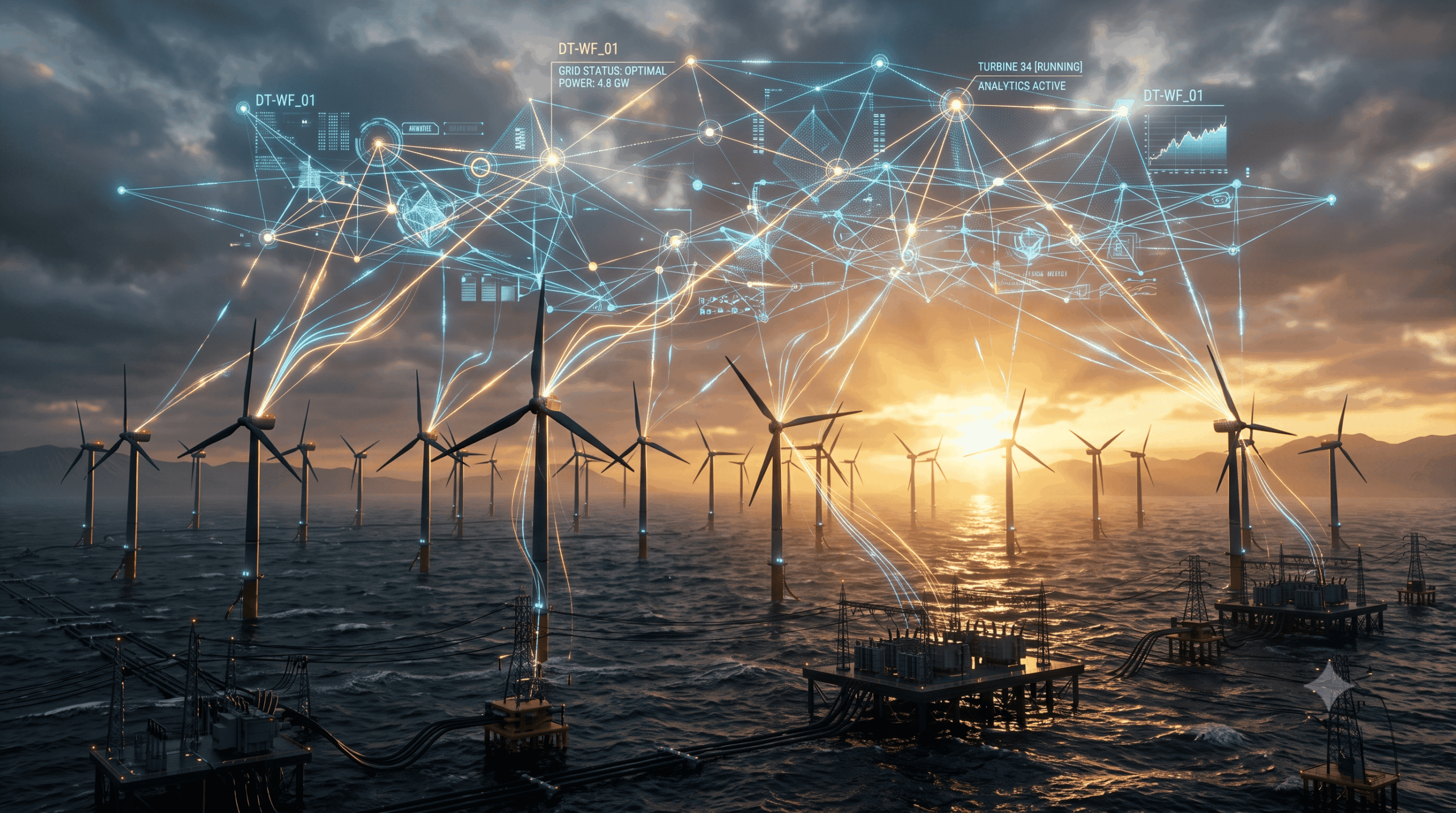
Below are five top Generative AI platforms driving heavy industry and enterprise operations.
Top 5 Generative AI Tools for Industry
1. Siemens Industrial Copilot
Siemens Industrial Copilot is an enterprise-grade generative assistant developed in partnership with Microsoft, designed to bridge operational technology (OT) with information technology (IT) across industrial automation floors.
Key Features:
- Automated PLC Code Generation: Translates high-level natural language instructions into complex Programmable Logic Controller (PLC) code for industrial machinery.
- Rapid Root-Cause Diagnostics: Analyzes operational telemetry and error logs in real time to diagnose machine faults and generate step-by-step repair guides for field engineers.
- Automated Simulation Scripting: Generates complex simulation scripts inside virtual factory environments (digital twins) to test production line adjustments prior to physical implementation.
- Natural Language Machine Manual Querying: Allows maintenance personnel to query thousands of pages of heavy equipment documentation conversationally directly on the shop floor.
Pricing: Paid (Enterprise custom quote model scaled by factory node integration and facility footprint).
2. C3 AI Generative AI (Industrial Suite)
C3 AI’s Industrial Suite provides enterprise generative search and operational intelligence across oil and gas, defense, aerospace, and energy utility sectors.
Key Features:
- Unified Enterprise Search Engine: Ingests unstructured technical manuals, maintenance records, sensor streams, and ERP data into a single conversational interface.
- Predictive Asset Maintenance Synthesis: Predicts equipment failure timelines and generates optimized servicing schedules to eliminate catastrophic downtime.
- Supply Chain Risk Mitigation: Simulates geopolitical, weather, and logistics bottlenecks to suggest alternative sourcing routes and safety stock levels automatically.
- Strict Data Lineage & Determinism: Ensures generated answers link directly back to verified primary enterprise records to eliminate model hallucinations in safety-critical operations.
Pricing: Paid (Enterprise subscription starting around $250,000/year plus consumption charges depending on deployed data nodes).
3. GE Vernova Autonomous Operations / CERius
GE Vernova’s CERius platform uses domain-tuned generative models to help industrial energy providers track, report, and lower carbon emissions across power infrastructure.
Key Features:
- Automated Emissions Strategy Planning: Analyzes real-time grid emissions data and generates actionable operational recommendations to minimize greenhouse gas outputs.
- Scenario Optimization Engine: Simulates energy production strategies across gas, wind, and solar assets under variable environmental and market conditions.
- Regulatory Compliance Reporting: Synthesizes environmental data into compliance reports mapped directly to regional sustainability standards.
- Thermal Efficiency Tuning: Generates precise adjustments for industrial turbine parameters to maximize energy yield while lowering fuel burn.
Pricing: Paid (Custom enterprise licensing tailored to energy utilities and industrial power producers).
4. Honeywell Forge Performance Plus
Honeywell Forge Performance Plus uses generative AI algorithms to optimize asset performance management, facility energy consumption, and workforce productivity across industrial facilities.
Key Features:
- Generative Building & Plant Automation: Analyzes HVAC, lighting, and power loads to draft self-correcting building energy strategies automatically.
- Autonomous Maintenance Dispatching: Detects subtle thermal or vibrational irregularities in industrial pumps and compressors, automatically generating work orders and parts requisitions.
- Field Worker Guidance: Provides maintenance technicians with generative, step-by-step augmented reality repair guides based on historical equipment performance records.
- Cyber-Physical Incident Summarization: Synthesizes industrial cybersecurity alerts into structured, human-readable threat containment reports.
Pricing: Paid (Custom enterprise SaaS quote based on monitored square footage or connected physical assets).
5. BCG X / QuantumBlack (McKinsey AI) Industrial Suite
QuantumBlack (McKinsey) and BCG X deploy custom generative AI architectures engineered to solve complex heavy-industry supply chain, yield, and process engineering challenges.
Key Features:
- Generative Process Yield Tuning: Evaluates chemical, thermal, and mechanical parameters across processing plants to generate fine-tuned operating parameters that maximize chemical output.
- Dynamic Logistics Network Design: Re-routes global shipping and material distribution vectors in real time during supply chain shocks.
- Capital Project Cost Optimization: Generates cost-saving structural alterations and material adjustments for multi-billion-dollar infrastructure megaprojects.
- Legacy Industrial System Refactoring: Translates outdated legacy operational scripts into modern software architectures for industrial edge computers.
Pricing: Paid (Enterprise consulting and bespoke platform deployment contracts).
Conclusion
Across heavy engineering, energy grids, and global supply chains, Generative AI operates at a macro-systems level to optimize complex physical infrastructure. By synthesizing data streams from IoT sensors, legacy SCADA systems, and ERP databases, industrial tools provide real-time operational visibility and predictive maintenance strategies. Plant engineers can generate complex PLC code, diagnose machinery faults instantly, and simulate environmental scenarios to maximize energy yield and lower carbon emissions. Agentic supply chain models dynamically re-route material logistics during global disruptions to prevent operational halts. As a result, industrial enterprises achieve greater operational resilience, safety, and sustainability across their global assets.

No Comments