

02 Sep Generative AI for Cooking
Generative Artificial Intelligence is entering commercial kitchens, consumer homes, and culinary research and development labs. Cooking has traditionally relied on rigid static recipes, fixed ingredient lists, and trial-and-error culinary experimentation that often results in unnecessary food waste.
Generative AI fundamentally redefines culinary art by serving as an intelligent sous-chef, a personalized nutritionist, and a flavor-pairing engine. By processing complex parameters—such as real-time refrigerator inventory photos, strict dietary constraints, cultural flavor profiles, micro-nutrient targets, and localized ingredient availability. GenAI tools generate fully customized, zero-waste recipes instantly.
From commercial food formulation to home meal planning, generative AI lowers kitchen waste, streamlines grocery budgeting, and inspires creative culinary innovation.
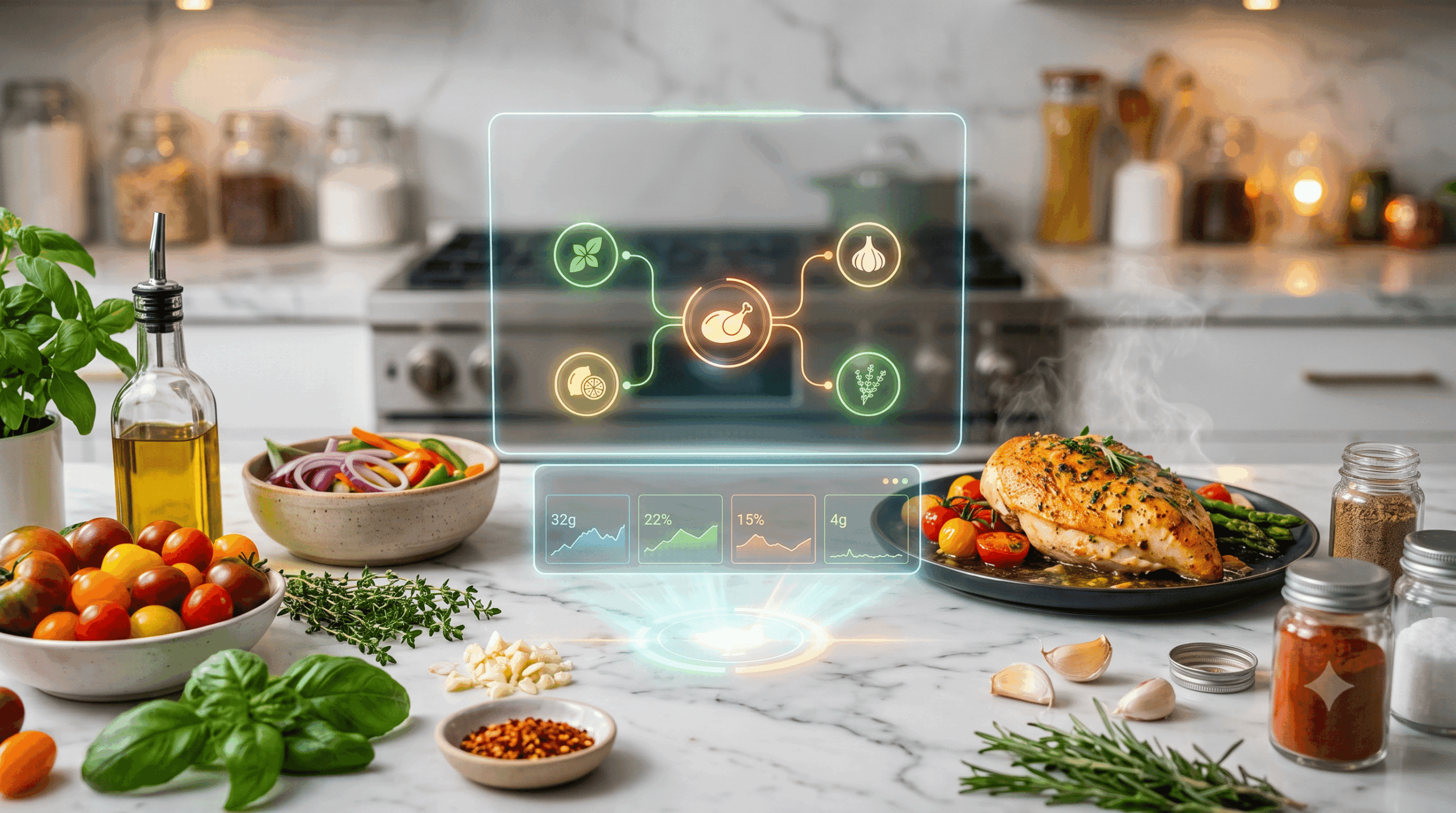
Below are five top Generative AI tools transforming modern cooking and culinary design.
Top 5 Generative AI Tools for Cooking
1. ChefGPT
ChefGPT is a dedicated culinary AI platform engineered to help home cooks and professional chefs create custom recipes, optimize ingredient usage, and build personalized meal plans.
Key Features:
- PantryChef (Pantry Inventory Matching): Inputs an array of available ingredients sitting in a kitchen and generates recipes designed to minimize food waste.
- MacrosChef (Nutritional Target Alignment): Synthesizes balanced recipes engineered specifically around targeted calorie counts, protein goals, and macro-nutrient distributions.
- MasterChef (Custom Recipe Refinement): Recreates, adapts, or elevates existing classic recipes based on specific equipment limitations or dietary restrictions.
- PairPerfect (Beverage & Side Pairing): Recommends ideal wine, beverage, and side-dish pairings tailored to the specific flavor profiles of generated meals.
Pricing: Freemium (Free basic plan with monthly recipe generation limits; Pro plan starts around $2.99/month or $29.99/year).
2. DishGen
DishGen is an AI-powered recipe creation engine that instantly generates unique recipes from simple text prompts, dietary preferences, or specific ingredient combinations.
Key Features:
- Zero-Waste Recipe Generator: Converts random leftovers and pantry scraps into coherent, step-by-step culinary recipes.
- Dynamic Recipe Modification: Allows users to modify existing generated recipes instantly (e.g., “Make this recipe keto-friendly,” or “Adapt this for an air fryer”).
- Nutritional Information Estimation: Automatically calculates estimated caloric breakdowns, serving counts, and macro profiles for custom creations.
- Community Recipe Hub: Accesses and remixes thousands of user-generated, AI-refined recipes rated by an active cooking community.
Pricing: Freemium (Free plan includes daily generation credits; Premium tier starts at $4.99/month for unlimited generations).
3. PlantJammer
PlantJammer combines culinary science with generative AI algorithms to help users build delicious, plant-centric meals using whatever vegetables are available in their kitchen.
Key Features:
- Flavor Pairing Matrix: Uses data-driven flavor wheels to predict which spices, herbs, and sauces will balance specific raw vegetable combinations.
- Dynamic Recipe Substitution: Suggests logical ingredient swaps in real time based on what is currently stocked in the user’s pantry.
- Interactive Wheel Interface: Visually guides cooks on balancing five core taste dimensions: sweet, sour, salty, bitter, and umami.
- Sustainability & Food Waste Tracking: Measures household food waste reduction metrics over time as users utilize leftover ingredients.
- Pricing: Freemium (Free core features available; Pro upgrade options starting around $3.99/month).
4. Samsung Food (formerly Whisk)
Samsung Food is an AI-enabled food and recipe platform that integrates recipe discovery, meal planning, smart home appliance connectivity, and automated grocery shopping.
Key Features:
- Food AI Personalization Engine: Adapts any saved online web recipe to match health goals, dietary restrictions, and cooking skill levels.
- Smart Appliance Synchronization: Sends generated cooking times, temperatures, and pre-heat instructions directly to compatible smart ovens and cooktops.
- Automated Grocery List Generation: Converts multi-day AI meal plans into consolidated, categorized shopping lists synced with online grocery delivery services.
- Visual Meal Recognition: Recognizes cooked dishes from smartphone photos and suggests matching recipe instructions and health data.
Pricing: Freemium (Free to use with core features; Premium subscription tier available for advanced health tracking).
5. FlavorFi AI (by Sony AI / Gastrograph)
FlavorFi (and commercial culinary AI platforms like Gastrograph) uses generative deep learning to assist commercial food developers, flavorists, and CPG brands in designing novel food products.
Key Features:
- Flavor Profile Prediction: Predicts global consumer preference responses to novel flavor, spice, and aroma combinations before physical production.
- Generative Ingredient Formulation: Synthesizes precise ingredient formulas for plant-based meat or dairy alternatives that mimic target textures.
- Sensory Perception Mapping: Maps human sensory perception to optimize ingredient ratios for specific regional palates.
- CPG Trend Forecasting: Analyzes global culinary trends to generate novel packaged food concepts for commercial brands.
Pricing: Paid (Custom enterprise licensing tailored to commercial food & beverage manufacturers and CPG research labs).
Conclusion
In both commercial test kitchens and home pantries, Generative AI is reshaping culinary innovation, personalized nutrition, and food waste management. Intelligent culinary engines analyze available ingredient inventories, dietary restrictions, and regional flavor matrices to generate customized zero-waste recipes instantly. Smart kitchen appliances sync directly with AI meal planners to automate cooking times, temperatures, and grocery ordering logistics. For commercial food developers, generative sensory tools predict consumer flavor preferences and formulate plant-based alternatives with optimal textures. Ultimately, GenAI transforms cooking from a trial-and-error chore into an efficient, sustainable, and highly creative culinary experience.

No Comments