

13 Dec AI Ethics Tutorial
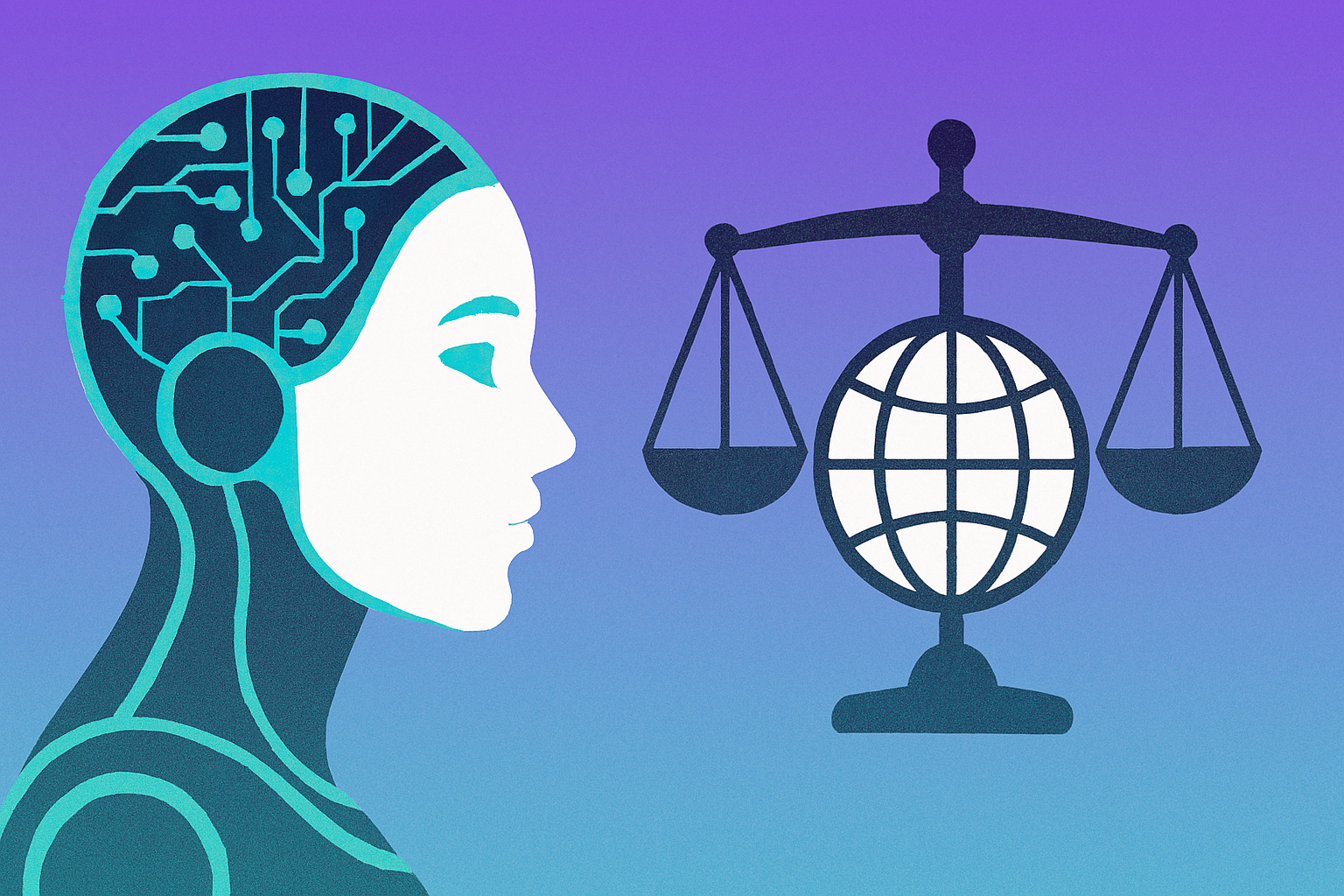
This tutorial on the “Ethics of AI” is not only timely but crucial. Our well-structured ethics of AI tutorial blends philosophical foundations, technical realities, and practical governance.
The core philosophy is to move from “What can we build?” to “What should we build?” and “How do we govern what we build?”
Video Tutorial
Viewers
The AI Ethics tutorial is prepared for students, engineers, and professionals. This tutorial will be useful for understanding the principles, governance, and ethics of AI.
FAQs
Q1: What is AI Ethics and why is it important in modern technology?
Ans: AI Ethics is a system of moral principles, guidelines, and governance frameworks designed to ensure that Artificial Intelligence technologies are developed, deployed, and used responsibly. It is essential because unguided AI systems can perpetuate social bias, make opaque automated decisions, infringe on personal privacy, and cause unintended harm at scale.
Q2: What is algorithmic bias and how does it occur in AI models?
Ans: Algorithmic bias occurs when an AI system produces systemic, unfair outputs that privilege one group over another. This happens when the training data used to build the model reflects historical prejudices, suffers from unequal representation, or contains flawed data collection methods, causing the AI to inherit and amplify these existing societal biases.
Q3: What is the difference between AI Transparency, Explainability, and Accountability?
Ans: While closely related, these pillars address different aspects of AI governance:
- Transparency: Openness about how an AI system is constructed, what data it was trained on, and when it is being used.
- Explainability (XAI): The ability to explain in human-understandable terms why an AI model made a specific prediction or decision (opening the “black box”).
- Accountability: Assigning clear responsibility—to developers, corporations, or operators—for the outcomes, errors, or harms caused by an automated decision system.
Q4: How do data privacy laws (like GDPR and the EU AI Act) impact AI development?
Ans: Modern data protection and AI regulations require organizations to collect data ethically, obtain explicit consent, enforce data minimization, and grant users the right to opt out of automated profiling. Frameworks like the EU AI Act enforce risk-based classifications, requiring high-risk AI applications (such as biometric identification, hiring systems, and healthcare) to undergo strict audits, safety checks, and compliance reviews.
Q5: What core topics, frameworks, and case studies are covered in Studyopedia’s AI Ethics tutorial?
Ans: Studyopedia’s AI Ethics tutorial covers fundamental ethical principles, algorithmic bias detection and mitigation, Explainable AI (XAI), data privacy and security, copyright and intellectual property in Generative AI, corporate AI governance frameworks, global regulatory standards (EU AI Act, NIST AI RMF), and real-world case studies on responsible AI deployment.
AI Ethics Tutorial – Index
☑️ Ethics of AI and Principles
- Foundations: What are AI Ethics? Why AI Needs Ethics?
- The AI Ethics Core Principles
- Green AI: Energy, Water, and Ecological Impact
- Ethical Frameworks & The Value Alignment Problem
☑️ AI Bias, Transparency, Explainability, and Trust
- When AI is Unfair: Understanding Bias
- Technical Mitigation: Algorithmic Audits & Fairness Metrics
- Transparency, Explainability, and Trust: Challenges in Deploying AI
- Black-Box AI & Explainable Methods (SHAP, LIME)
☑️ AI in Work and Real World
- AI and Your Job: The Future of Work
- AI in the Real World: High-Stakes Case Studies
- Intellectual Property, Copyright & Web Scraping
- Privacy, Facial Recognition & Mass Surveillance
☑️ AI in Society and the Far Future
- AI, Society, and You: Truth, Democracy, and Rights
- Generative AI Hazards: Deepfakes, Hallucinations & Watermarking
- Military AI & Autonomous Weapon Systems (LAWS)
- The Cutting Edge: AI That Creates and the Far Future
☑️ AI Governance
- Governance, Policy, and Building Ethical AI
- Governance and practical structures to implement ethical AI principles
- Technical Guardrails: Alignment (RLHF) & Red-Teaming
- Global AI Regulations: EU AI Act & NIST Framework
☑️ Case Study
If you liked the tutorial, spread the word and share the link and our website, Studyopedia, with others.
For Videos, Join Our YouTube Channel: Join Now
Read More:

No Comments